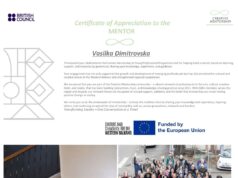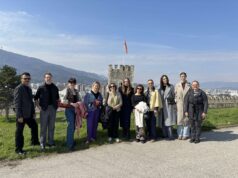

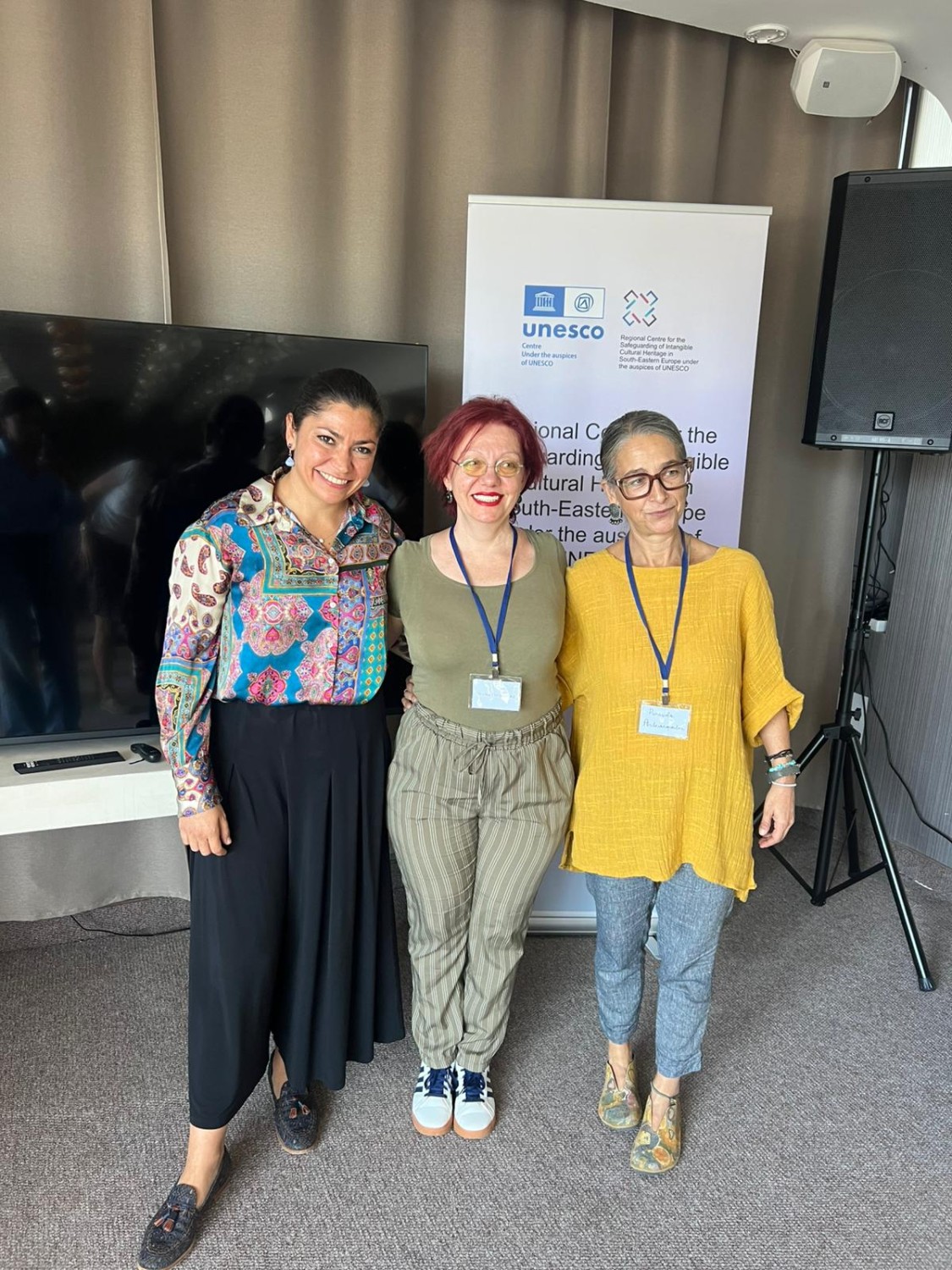
HAEMUS Director, Vasilka Dimitrovska, MSci, actively participated in the prestigious regional capacity-building forum “Fostering Living Heritage Safeguarding in the Western Balkans”, held from September 2–4, 2025, in Sofia and Pernik, Bulgaria. The event was organized under the auspices of UNESCO, in cooperation with the Regional Centre Sofia and the Municipality of Pernik, within the framework of the “Culture and Creativity for the Western Balkans” (CC4WBs) project, funded by the European Union.
Training Focus and Regional Collaboration
This intensive program brought together leading experts, practitioners, and civil society representatives from across the region to strengthen skills for implementing the 2003 Convention for the Safeguarding of the Intangible Cultural Heritage.
Following successful virtual sessions held from January to February 2025, the live workshop in Bulgaria focused on:
- Developing long-term strategies for protecting living traditions.
- Engaging local communities as the primary bearers of heritage.
- Enhancing cross-border and regional cooperation in the Balkans.
HA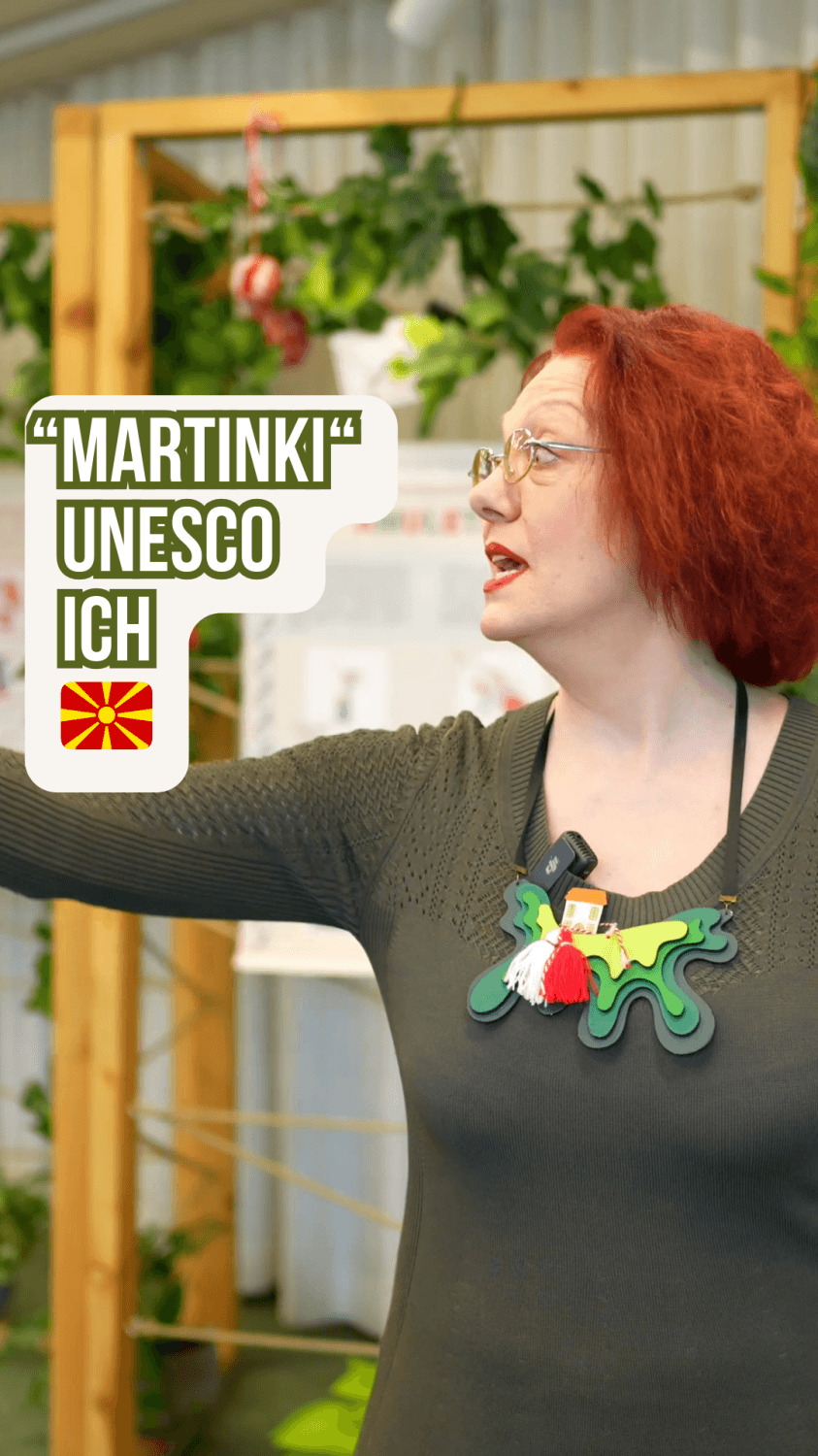 EMUS Contribution and the “Martinki” Custom
As a Certified Interpretive Trainer (CIT) and the legal guardian of the UNESCO-listed multinational element “Cultural Practices Associated to the 1st of March” (also known as Custom Martinki), Vasilka Dimitrovska played a dual role in the forum—both as a professional expert and as a heritage bearer.
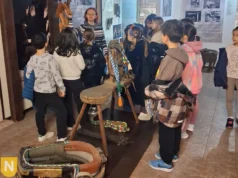
Drawing from HAEMUS’s extensive portfolio, Dimitrovska presented successful case studies on how intangible heritage can be transformed from a “museum object” into a living resource. She emphasized the HAEMUS’s unique approach to heritage interpretation, which focuses on creating emotional and intellectual connections between the public and their traditions.
Special emphasis was placed on:
- The “Martinki” Custom: Sharing the challenges and successes of managing a multinational UNESCO inscription and the importance of preserving the authentic ritual and craftsmanship involved in creating these amulets.
- Heritage Gamification: Discussing how HAEMUS utilizes interactive tools to engage younger generations with traditional knowledge.
- Community-Led Safeguarding: Advocating for models where the local community is not just a subject of study, but the primary driver of heritage preservation.
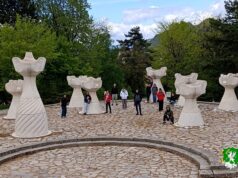
The program’s practical component included immersive field visits to the Municipality of Pernik. Here, participants engaged in a hands-on case study of the Surova Folk Feast (Surva), a tradition also inscribed on the UNESCO Representative List. This experience allowed Dimitrovska and other experts to analyze how large-scale traditional events can drive sustainable local development and cultural tourism without compromising the authenticity of the living tradition.
Through discussions with local associations and practitioners in Pernik, HAEMUS contributed to the development of new regional frameworks for safeguarding heritage in a way that benefits both the culture and the local economy.
Official Statement for UNESCO
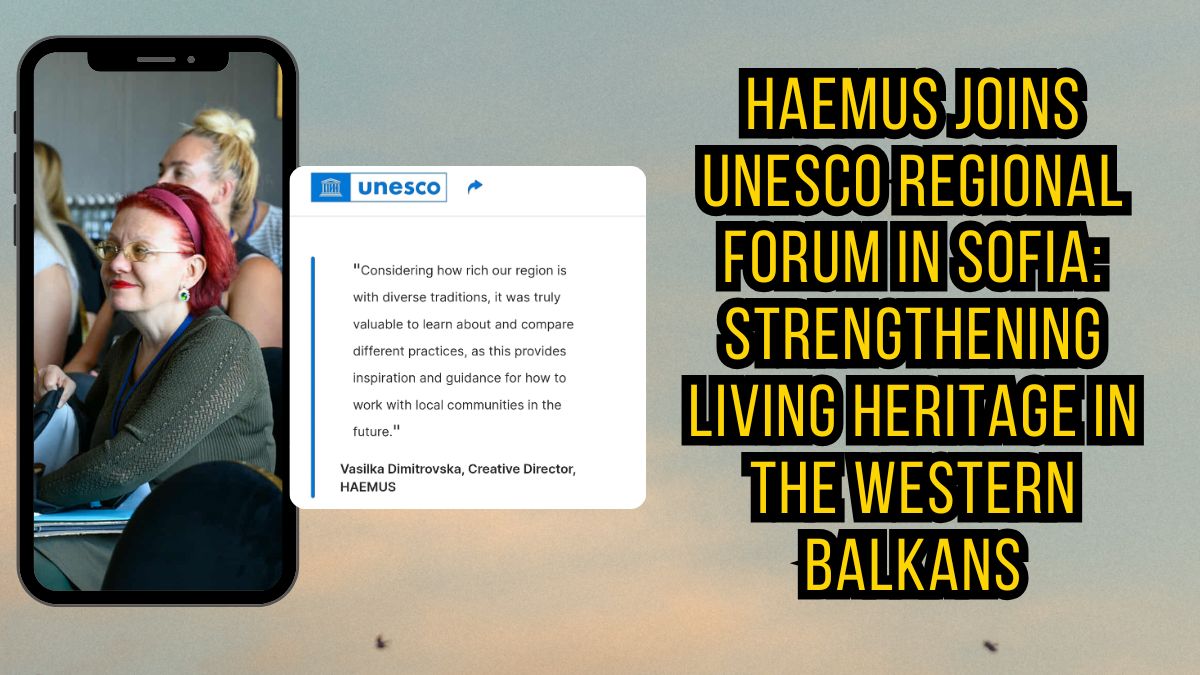
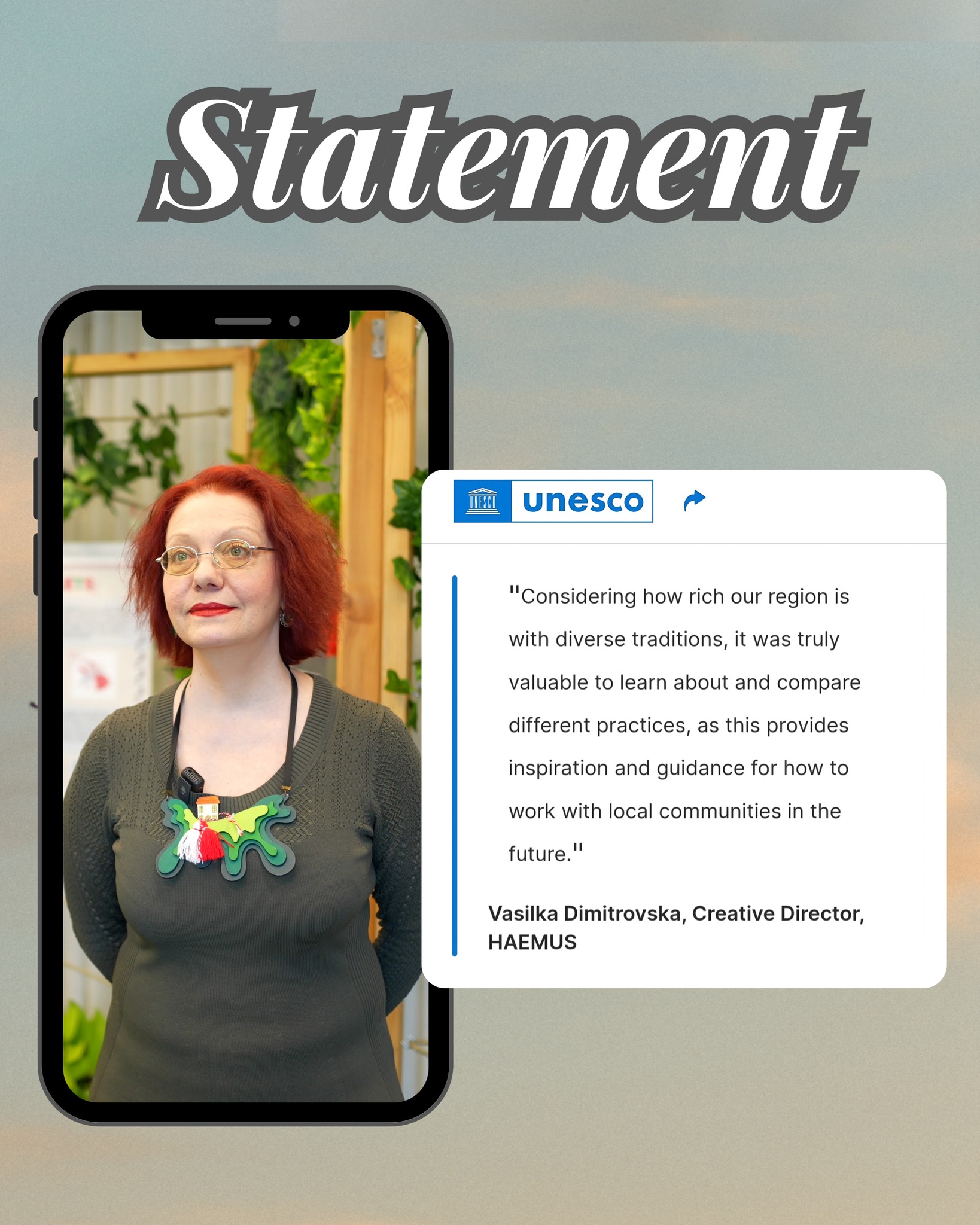 During the forum, Dimitrovska was invited to provide an official statement for the UNESCO website, highlighting the value of regional exchange:
“Considering how rich our region is with diverse traditions, it was truly valuable to learn about and compare different practices, as this provides inspiration and guidance for how to work with local communities in the future.”
“Living heritage is not just the past; it is a living bridge to the future. Through these regional platforms, HAEMUS reaffirms its commitment to education, interpretation, and the safeguarding of traditional knowledge that defines our shared cultural space,” stated Dimitrovska.
Next Steps
As a grantee of the CC4WBs initiative, HAEMUS’s participation in this forum opens new avenues to design educational programs, mentor young professionals, and implement international standards for cultural heritage management in Macedonia and the wider region.
The “Culture and Creativity for the Western Balkans” project continues to support civil society organizations that foster social development and reconciliation in the region through culture and creative industries.
View this post on Instagram