
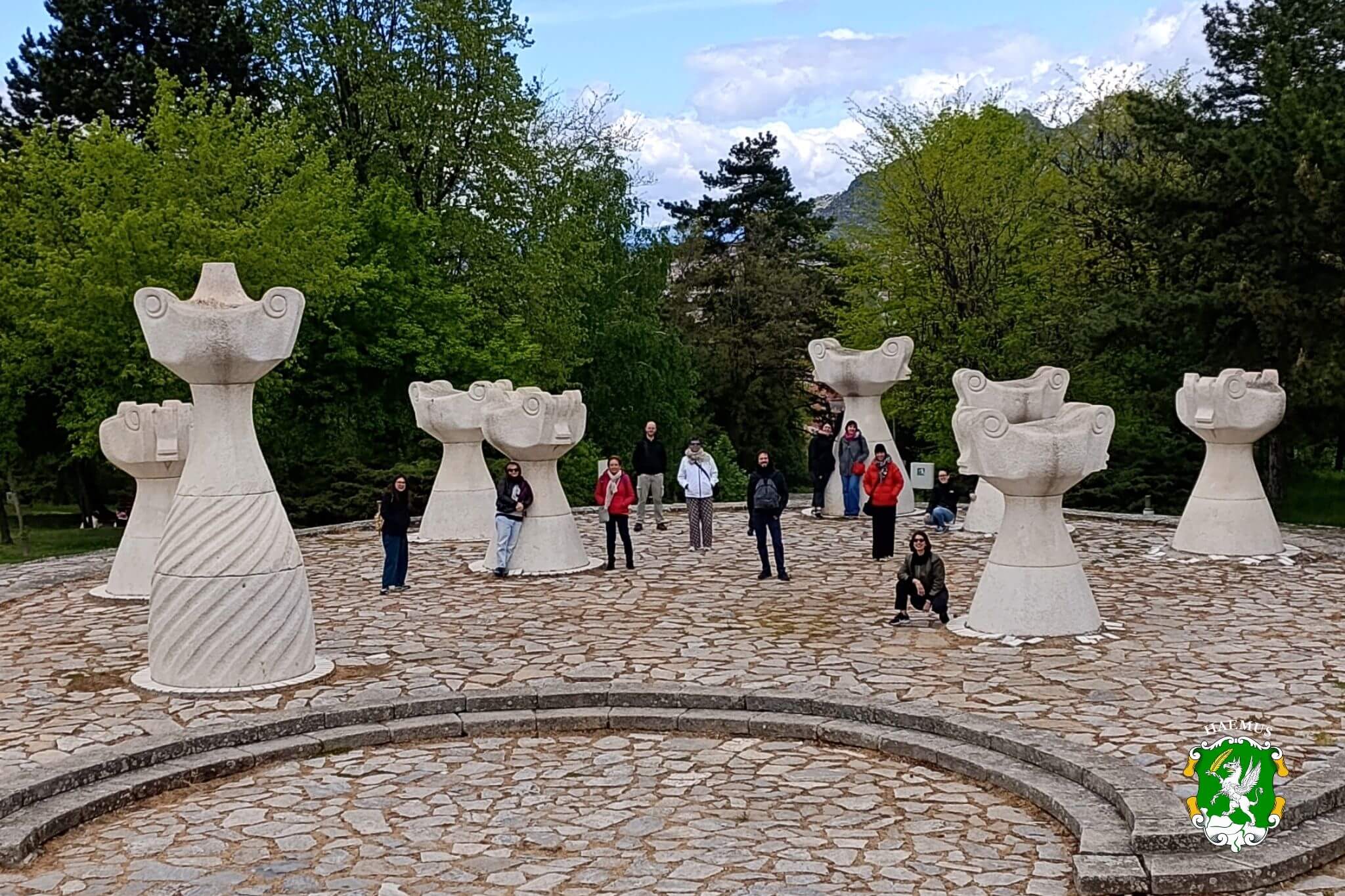
Across the world, Brutalist and Modernist architecture is increasingly being rediscovered — not only as an architectural style, but as a carrier of collective memory, ideology, trauma, reconstruction, and identity.
In recent years, Macedonia has slowly become an important point on the map for architects, researchers, photographers, and culturally curious travelers interested in understanding the architectural and memorial landscapes of the former Yugoslavia.
But these spaces cannot be understood through static sightseeing alone.
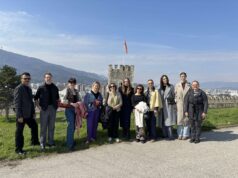
Recently, HAEMUS had the opportunity to work with a specialized group from Italy focused on Brutalism, Modernist architecture, and the heritage of the socialist period in Macedonia, organized by Kukushka Tours and with the local support by KREAKTIVA: The Storytelling & Experience Design Studio.
Recently, HAEMUS – Center for Scientific Research and Promotion of Culture had the opportunity to curate a special experience for a group from Italy exploring Brutalist and Modernist architecture, as well as the heritage of Macedonia’s socialist-era urban landscape, realized in collaboration with Kukushka Tours, with local support from Kreaktiva – The Storytelling & Experience Design Studio.

What fascinated many participants was not simply the visual appearance of the architecture itself, but the deeper layers behind it:
why concrete “speaks,”
why certain monuments appear almost futuristic,
and how architecture becomes a physical manifestation of collective memory.
For us at HAEMUS, this is precisely where heritage interpretation begins.
We no longer believe in static 20th-century models of cultural guiding, where visitors passively consume information while moving from one location to another. Our work is based on immersive interpretation and experience design, creating spaces where people actively engage with heritage emotionally, sensory and intellectually.
The people who travel with us are not simply observers.
They are invited to begin “reading” architecture.
To understand context.
To recognize how space reflects ideology, political systems, reconstruction, identity, and trauma.
Only then does heritage stop being just an object.
It becomes a personal experience.
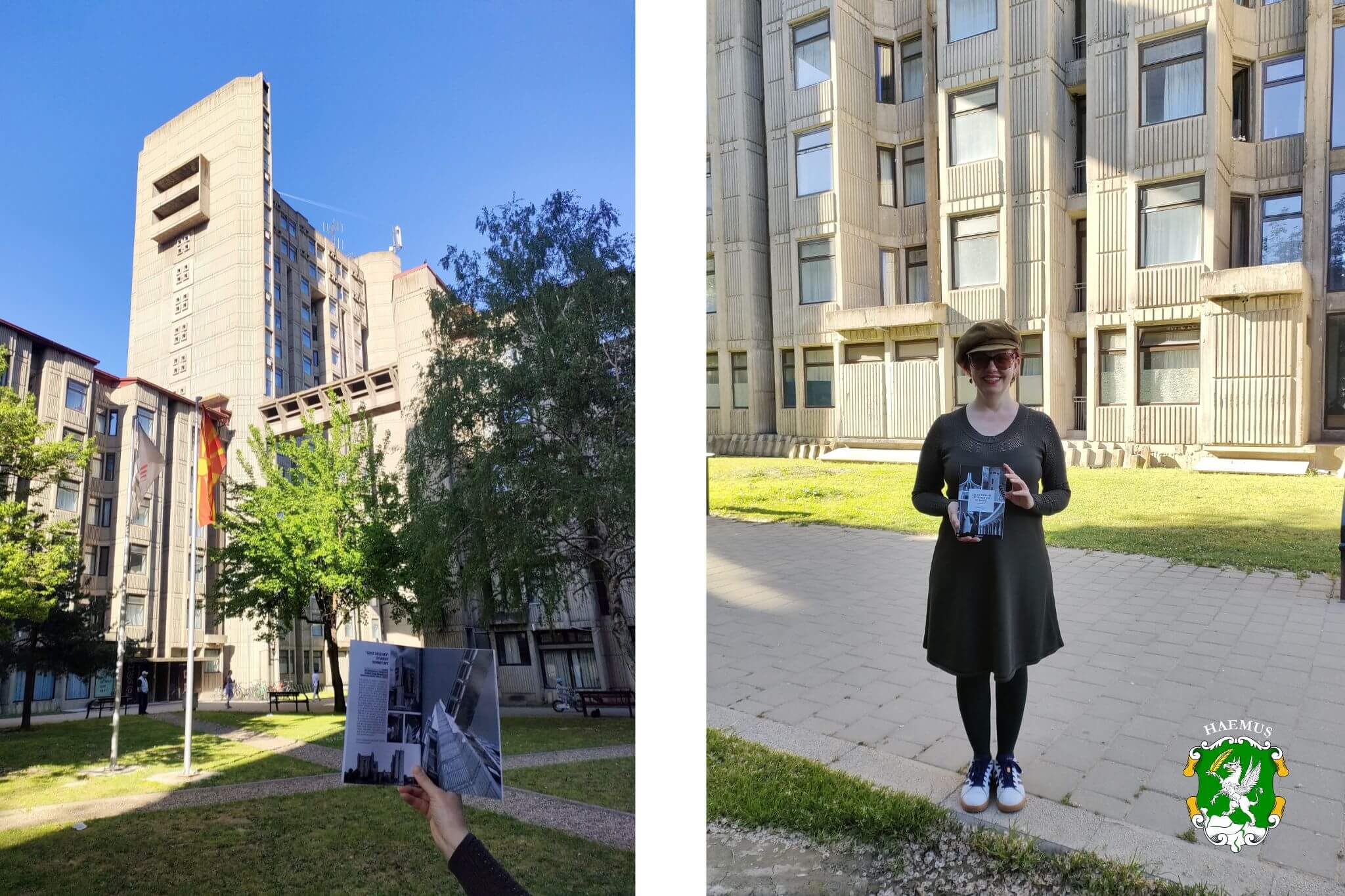
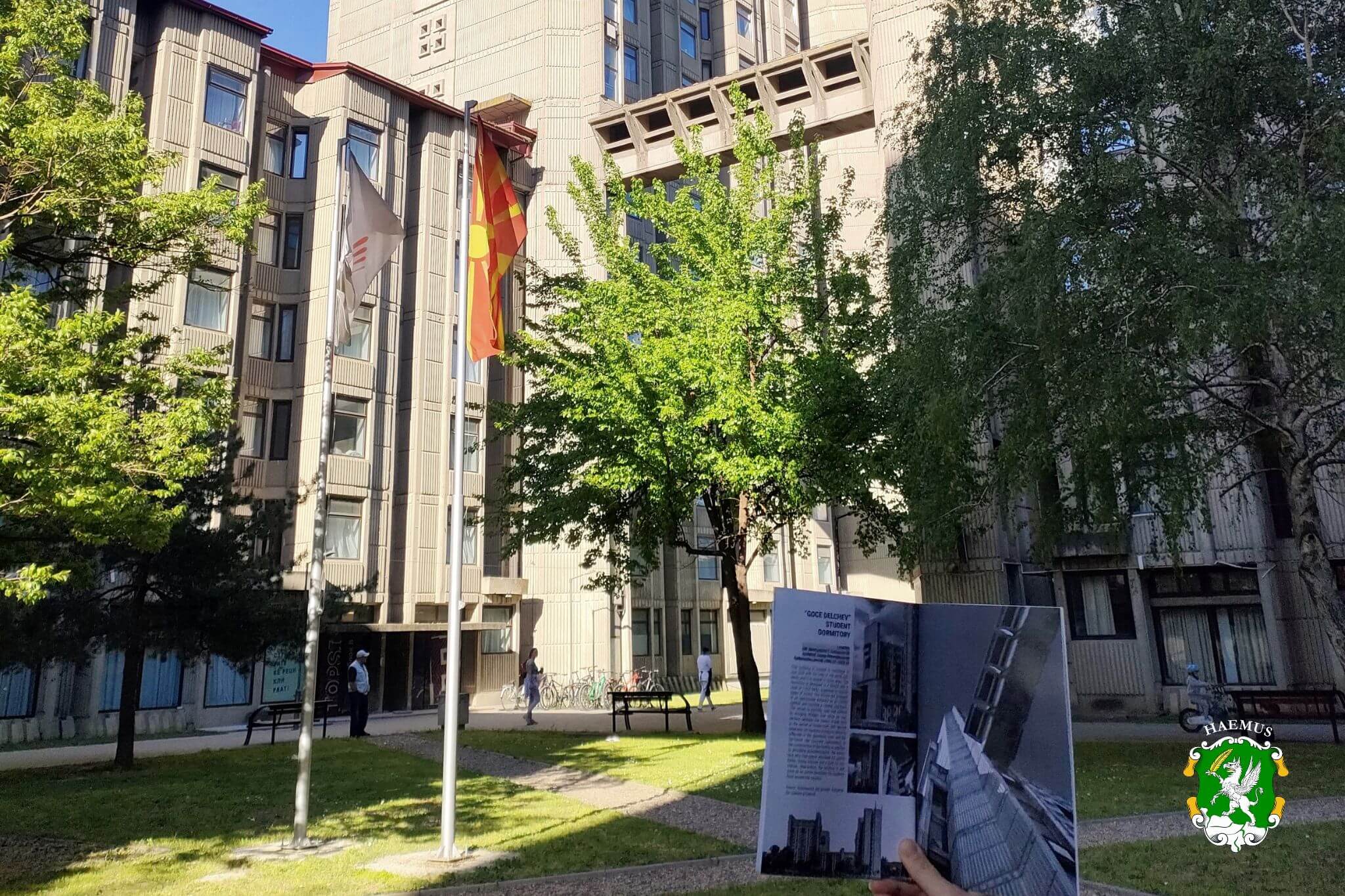
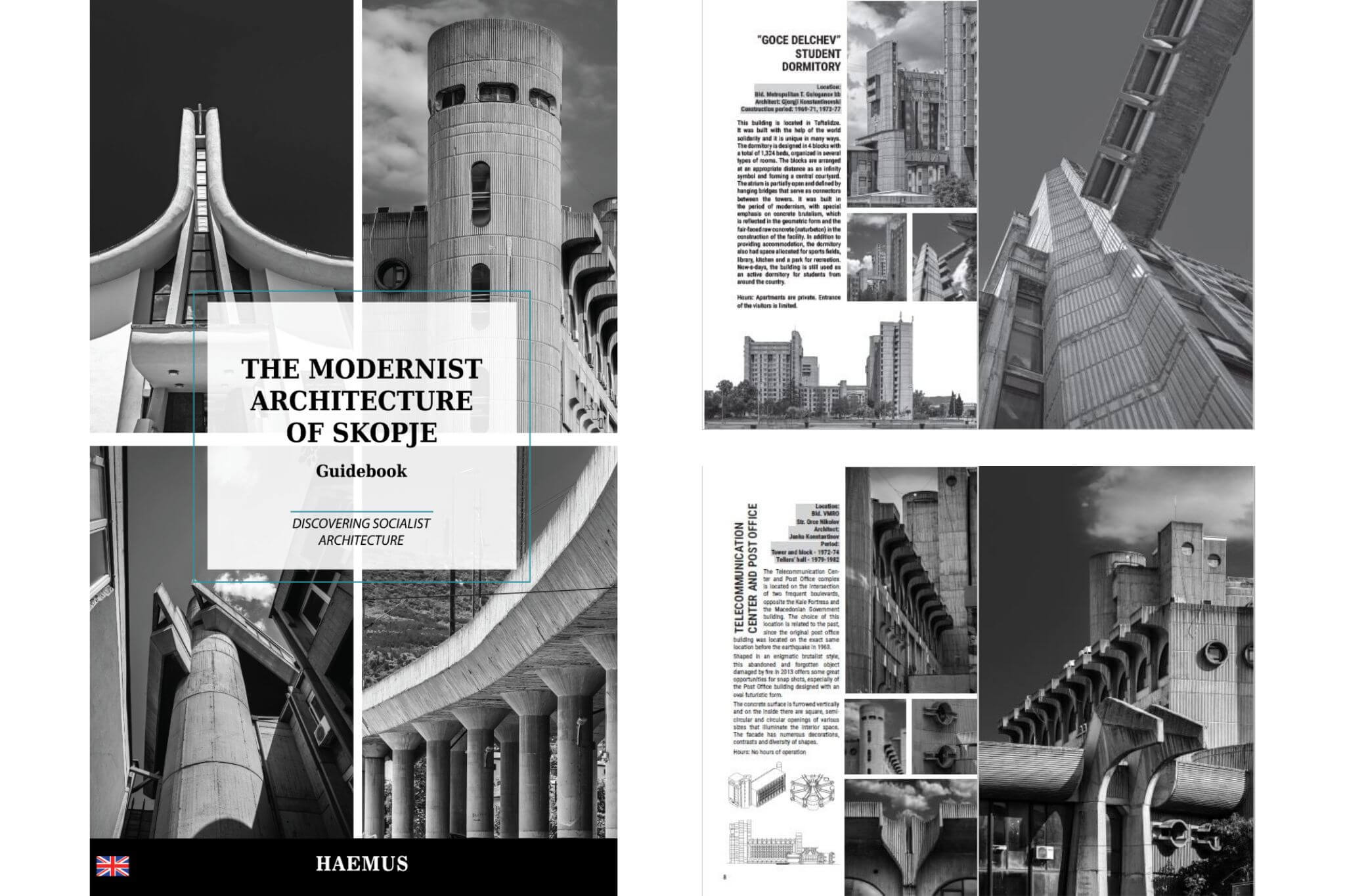
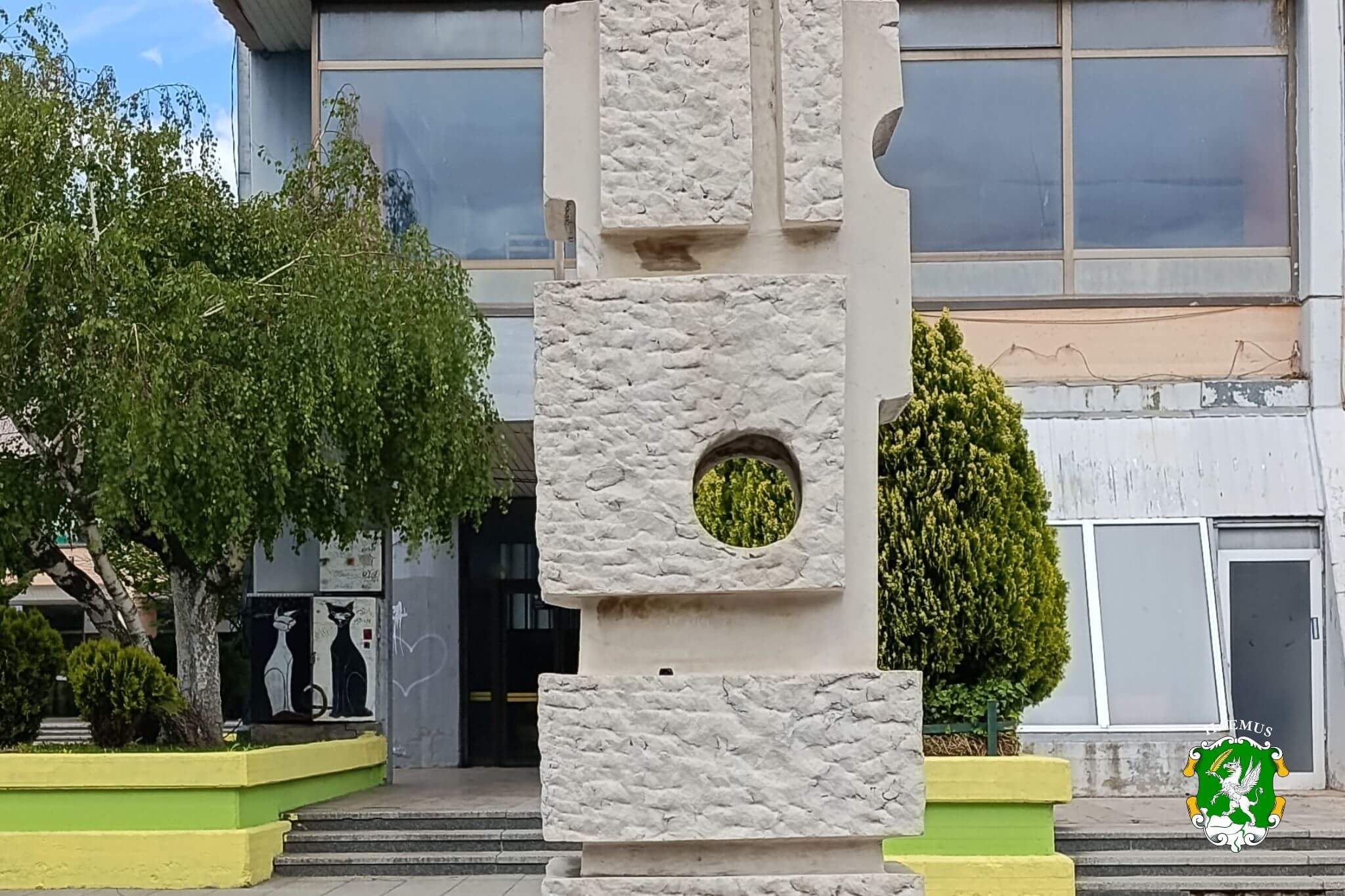
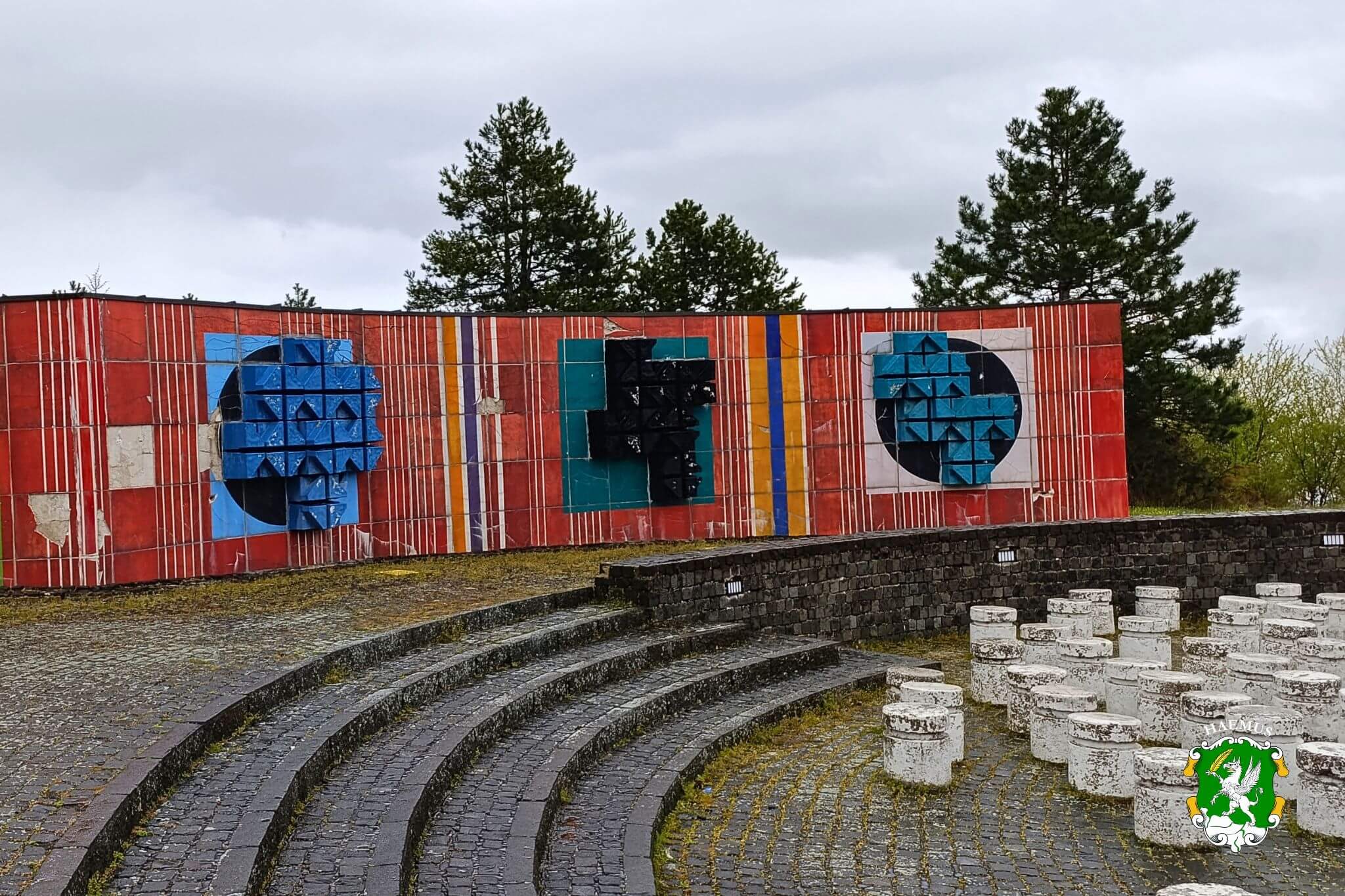
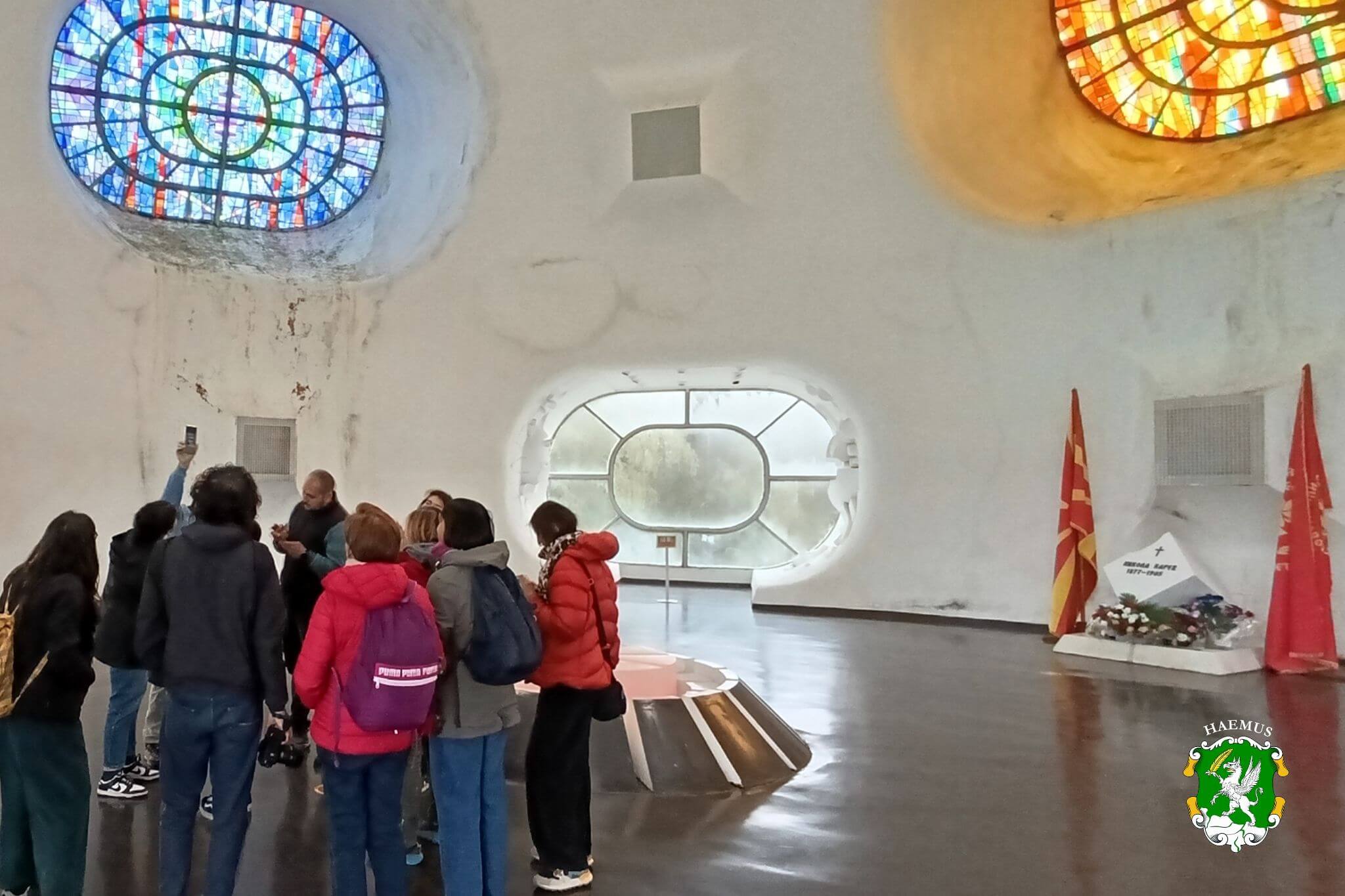
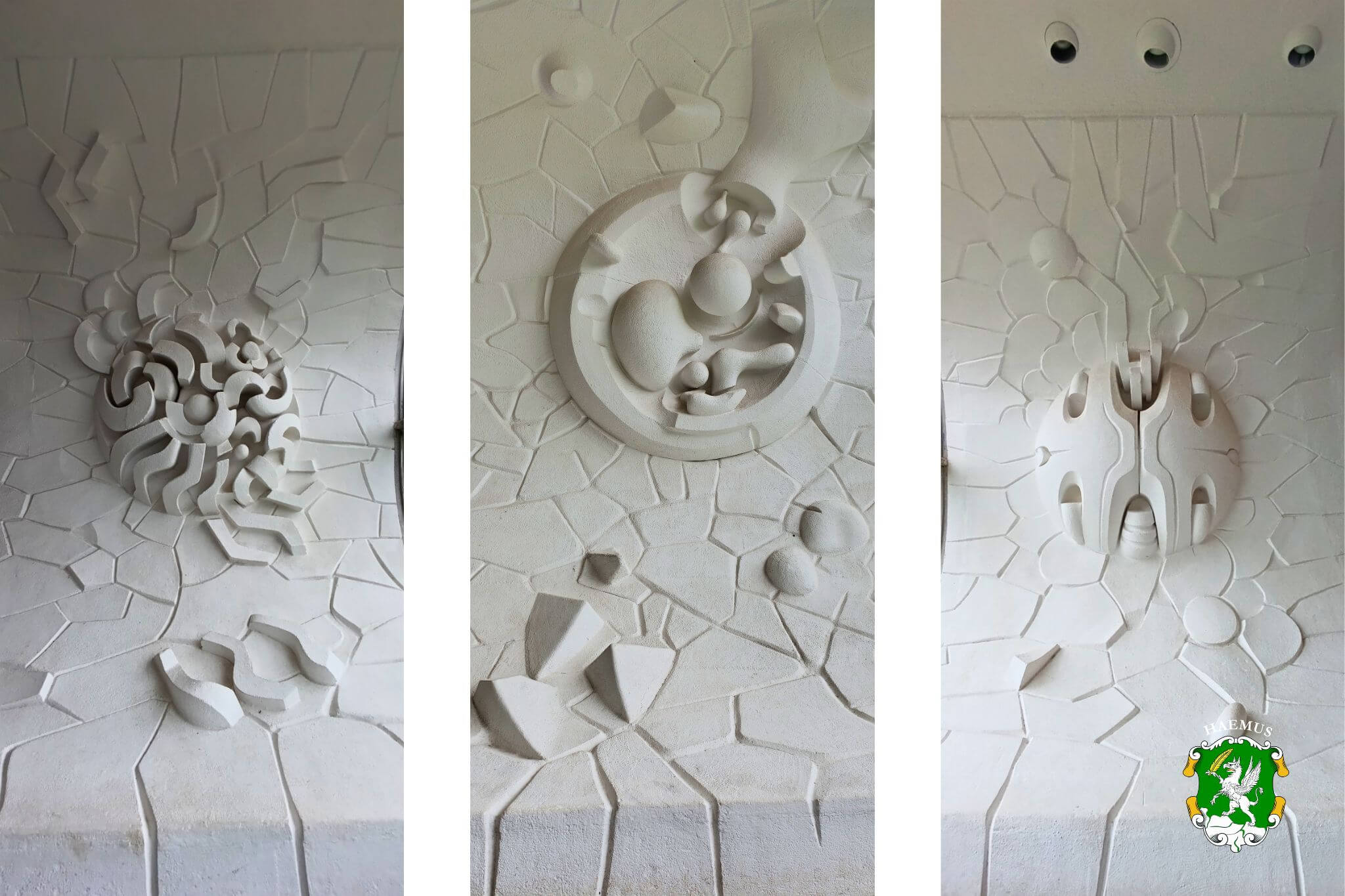
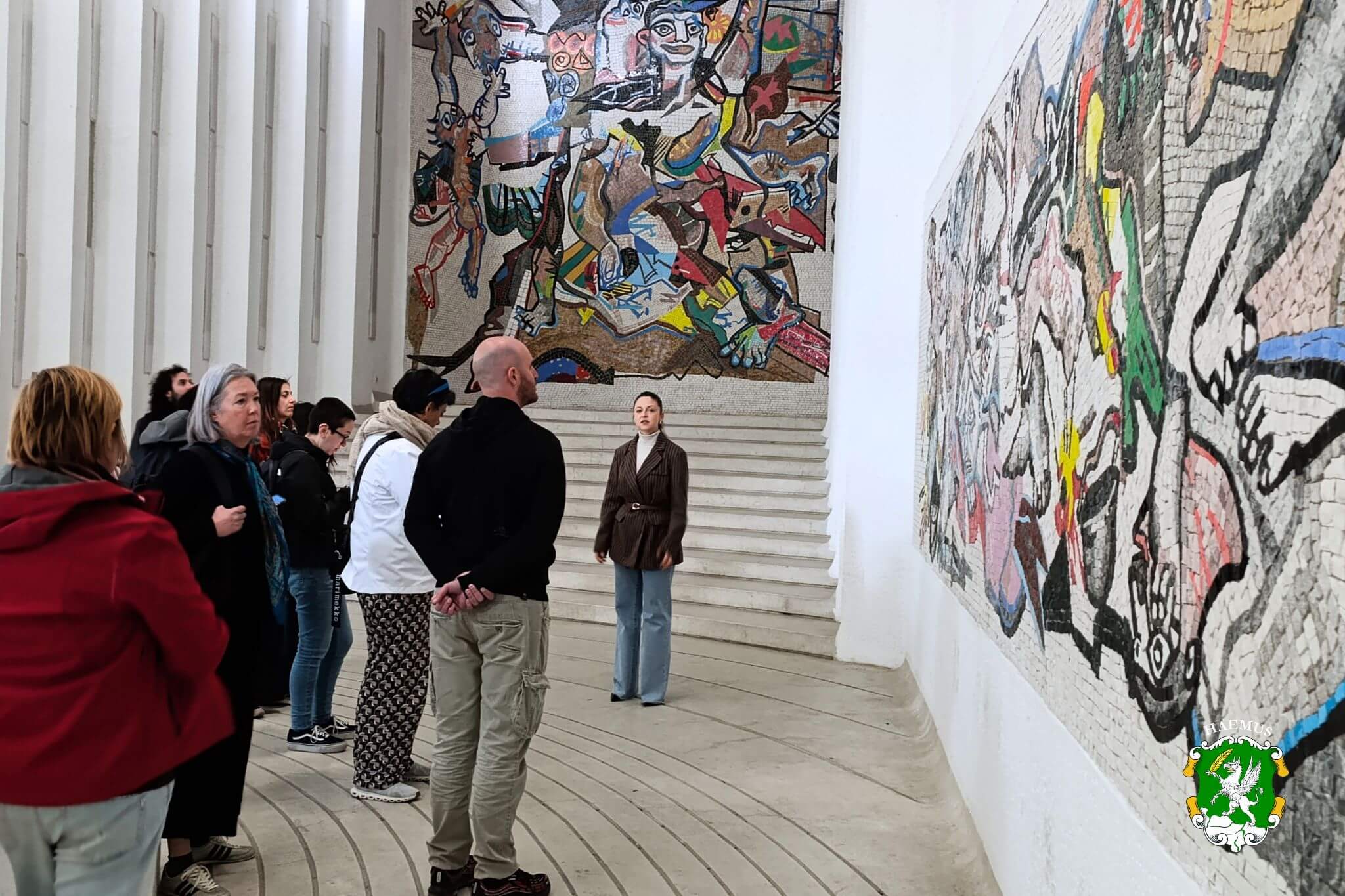
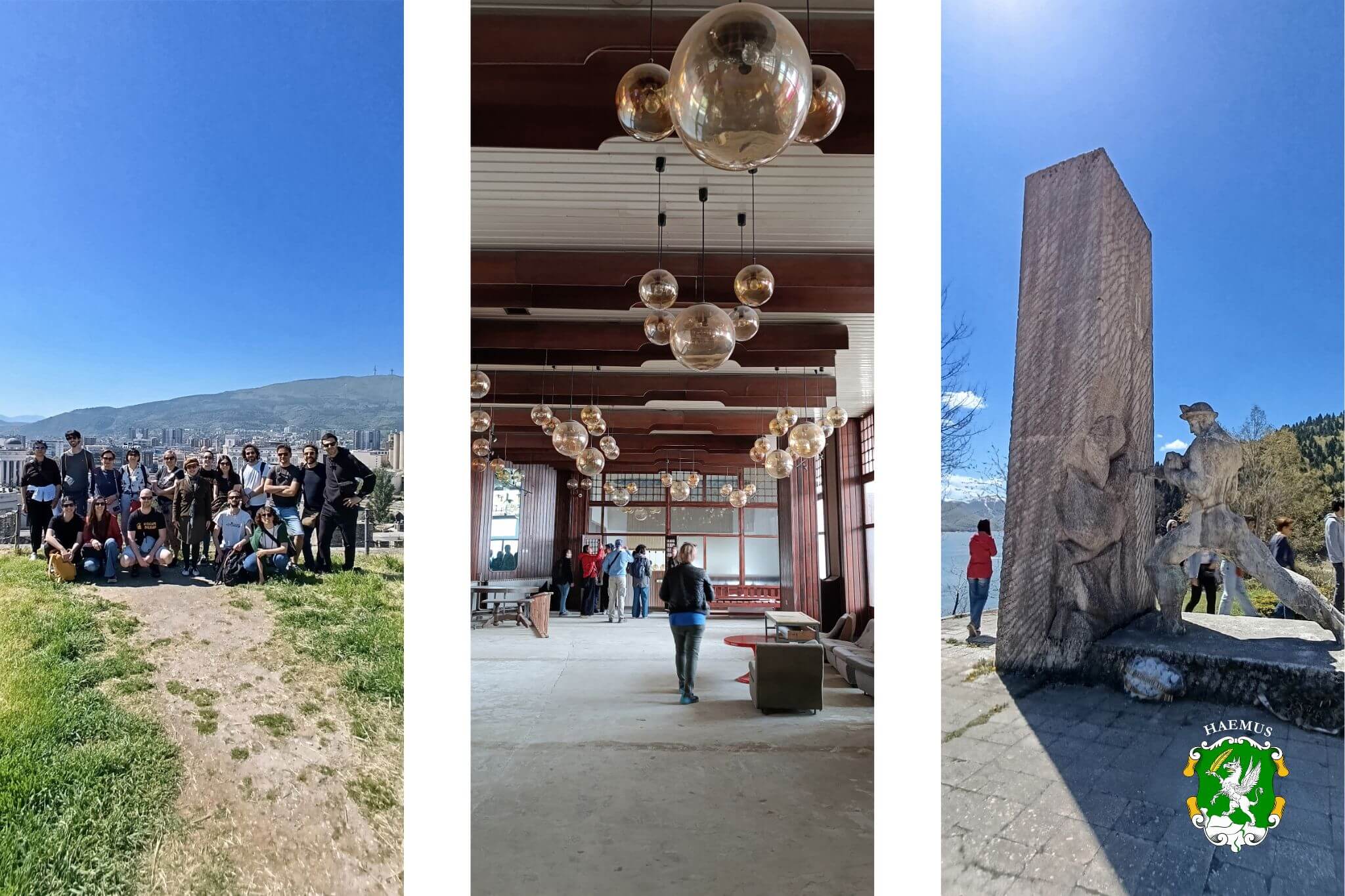
This approach is especially important when working with the heritage of socialism and post-earthquake Modernism in Macedonia. Many of these spaces were created during periods of enormous political, social, and emotional transformation. Without interpretation, visitors often see only concrete forms. With interpretation, they begin understanding the human stories embedded within the material itself.
An important part of our methodology is also the inclusion of local communities and local gastronomy whenever possible. We strongly believe that heritage cannot be separated from everyday life, local people, food culture, and lived memory. This is why we actively integrate local perspectives and “from farm to table” gastronomic experiences into our programmes.
What is especially rewarding is witnessing visitors who genuinely connect with heritage — not as content for social media photographs, but as living stories that continue shaping identities today.
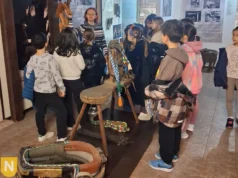
We would also like to express our gratitude to the local museums, institutions, and cultural professionals across Skopje, Prilep, Kruševo, and Veles who opened their doors and helped make this experience possible with professionalism, openness, and genuine respect for heritage.
Because ultimately, people rarely remember facts alone.
They remember how a place made them feel.
And sometimes, even concrete can speak.
Author:
Vasilka Dimitrovska, MSci
Experience Designer & Heritage Innovation Strategist
Founder and CEO, HAEMUS
Founder & CEO, KREAKTIVA: The Storytelling & Experience Design Studio